
NEWS
Donald Trump made history by becoming the first U.S. president to be impeached twice, a momentous event that marked a new chapter in American political history. The second impeachment came amid his role in the January 6th Capitol riots, which sparked fierce national debate over accountability and the limits of presidential power. While the Senate acquitted him both times, the political ramifications of his two impeachments continue to ripple through the American political system. Trump’s legacy will forever be defined by these unprecedented events, raising questions about how the U.S. will view his presidency and the future of executive power in the nation.

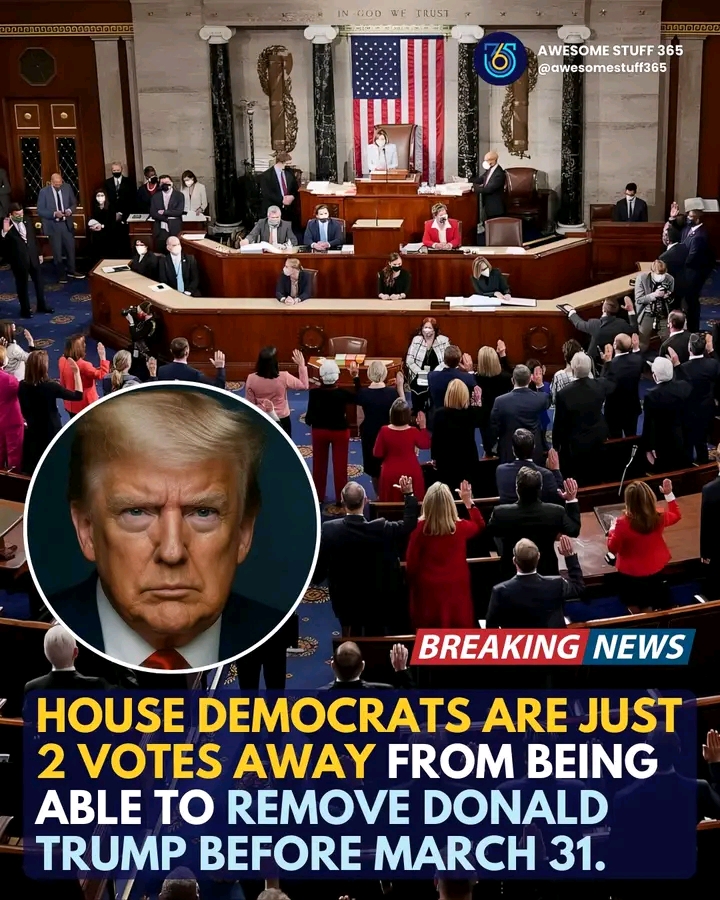
The second impeachment of Donald Trump followed a dramatic series of events on January 6, 2021, when a mob of Trump supporters stormed the U.S. Capitol, attempting to overturn the results of the 2020 presidential election. The riot led to widespread destruction, the deaths of several individuals, and a significant disruption of the certification of Joe Biden’s election victory. Lawmakers were forced to evacuate the Capitol building, and the nation was left grappling with the implications of an attack on the seat of American democracy.
In the days following the insurrection, calls for Trump’s removal from office grew louder. Critics argued that Trump had incited the violence through his rhetoric, which had repeatedly cast doubt on the legitimacy of the election and encouraged his supporters to take action. The House of Representatives swiftly moved forward with impeachment proceedings, accusing Trump of “incitement of insurrection.” The resolution passed the House by a vote of 232 to 197, making Trump the first president in U.S. history to be impeached twice.
The articles of impeachment charged Trump with having incited the violent insurrection at the Capitol by encouraging the mob to take action and by refusing to call for an end to the violence during the attack. These actions, according to House Democrats, represented a grave threat to the Constitution and the integrity of the U.S. government.
The impeachment process was swift, with the House of Representatives acting within a week of the Capitol attack. However, the process faced significant hurdles in the Senate, where Republicans held a majority at the time of Trump’s first impeachment. This time, the Senate was split, with Democrats holding the majority after the January 2021 election results.
The second impeachment trial was unique in several ways. First, it occurred after Trump had already left office, raising questions about whether a former president could be impeached. However, legal experts and the Senate leadership determined that the impeachment trial could proceed, as Trump’s actions were considered to have occurred while he was still in office. Despite this, Trump’s defense team argued that the proceedings were unconstitutional, and they sought to have the charges dismissed.
The Senate trial began on February 9, 2021, with the prosecution presenting evidence of Trump’s involvement in inciting the Capitol riot. They argued that Trump’s inflammatory rhetoric, including his repeated false claims about election fraud, directly contributed to the violence that erupted at the Capitol. On the other hand, Trump’s defense team maintained that he was exercising his First Amendment rights and that his words did not incite violence.
The Senate Trial: A Historic Moment
The Senate impeachment trial was a highly charged and emotional event. The prosecution presented a compelling case, showing video footage of the Capitol attack and recounting the chaos and destruction that unfolded. Lawmakers and former officials, including House Speaker Nancy Pelosi, testified to the trauma they experienced that day. The prosecution also pointed to Trump’s delayed response to the violence, noting that he did not act swiftly to call for an end to the insurrection.
On the defense side, Trump’s legal team argued that the president’s words were protected under the First Amendment and that he did not explicitly incite violence. They also claimed that the impeachment process was politically motivated and that it was an attempt to undermine Trump’s legacy and political future.
Despite the emotionally charged proceedings, the Senate ultimately acquitted Trump for a second time. The vote was 57-43, with seven Republican senators joining Democrats in voting to convict Trump. While this was the most bipartisan impeachment vote in history, it fell short of the two-thirds majority required to convict. As a result, Trump was not removed from office or barred from holding future public office.
The Political Divisions Exposed by Impeachment
The second impeachment of Trump exposed the deep political divisions within the United States. In the aftermath of the Capitol insurrection, many Americans believed that Trump’s actions had been a direct attack on the core principles of democracy, and they called for him to be held accountable. However, his acquittal by the Senate reinforced the polarization that defined much of his presidency.
The impeachment also revealed the fractures within the Republican Party. While some Republicans supported Trump’s removal from office, fearing the long-term damage his actions could do to the party’s reputation, others remained loyal to the former president, arguing that he had not incited the violence and that the impeachment was politically motivated. This divide continues to shape the Republican Party’s direction as it looks ahead to future elections, with Trump’s influence still a key factor in determining the party’s platform and leadership.
For many, the impeachment process underscored the challenges of navigating political gridlock and the limitations of the U.S. system of checks and balances in holding presidents accountable. Despite the impeachment, Trump remained a powerful figure in American politics, with a significant portion of the population supporting him and his policies.
The Impact of the Second Impeachment on Trump’s Legacy
Trump’s second impeachment will undoubtedly be a central part of his legacy. While he remains a controversial and polarizing figure, the fact that he was impeached twice highlights the deep divide in the U.S. political system during his time in office. The charges related to the Capitol insurrection will likely remain a defining moment in his presidency, and historians will likely continue to debate the extent of his responsibility for the attack on the Capitol.
The impeachment also had ramifications for Trump’s future political ambitions. Although he was acquitted in the Senate, the proceedings raised questions about his eligibility to run for office again. Although the Senate did not vote to bar Trump from future office, some have suggested that the impeachment process could serve as a precedent for future actions if he decides to seek the presidency again in 2024.
Despite these challenges, Trump’s supporters view the impeachment as a politically motivated attack on their champion, and they continue to rally behind him. For them, the impeachment was another example of the so-called “deep state” and the establishment seeking to undermine the will of the people.

Donald Trump made history by becoming the first U.S. president to be impeached twice, a momentous event that marked a new chapter in American political history. The second impeachment came amid his role in the January 6th Capitol riots, which sparked fierce national debate over accountability and the limits of presidential power. While the Senate acquitted him both times, the political ramifications of his two impeachments continue to ripple through the American political system. Trump’s legacy will forever be defined by these unprecedented events, raising questions about how the U.S. will view his presidency and the future of executive power in the nation.

🚨 BREAKING: Trump Faces Rising Political Pressure as Impeachment Talk Surges in Senate New polling shows Trump’s support slipping sharply among key non-college voters — a group central to his past victories — fueling concerns for Republicans ahead of the 2026 midterms. At the same time, some Senate Democrats are openly discussing impeachment again, especially in light of debate over Trump’s military action in Venezuela and questions about congressional approval. While Republicans control Congress now, Democrats signal they could pursue impeachment if they regain power in 2026, setting up a pivotal political showdown. 👉 Read the full story 👇

What began as concern over private remarks has exploded into open constitutional debate. Lawmakers question judgment. Military authority faces limits. The 25th Amendment is no longer whispered — it’s spoken aloud in the Senate chamber… 🔥 If this line is crossed, history shifts instantly.

🚨BREAKING: 229–206 House IMPEACHMENT Vote — 17 Republicans Join Democrats in RARE Two-Party Coalition⚡ The House of Representatives has impeached the President with a vote of 229 to 206, marking the most bipartisan presidential impeachment in U.S. history, with 17 members of the president’s own party voting in favor. Unlike past impeachments focused on scandal or misconduct, this case centers on a constitutional issue: the president’s refusal to comply with a Supreme Court ruling. Supporters of impeachment argue that defying the Court threatens the separation of powers and the rule of law. The president has rejected the impeachment as illegitimate and says he will not participate in the Senate trial. The Senate will now hold a trial presided over by the Chief Justice, and conviction requires a two-thirds majority — 67 votes. That means at least 16 senators from the president’s party would need to join the opposition for removal. The outcome will determine not just the president’s future, but how strongly judicial authority is enforced against executive resistance in the American constitutional system.

Is Trump Hiding Health Issues? Controversy Grows Amid Conflicting Claims

Pam Bondi has publicly defended former President Donald Trump, asserting that there is no evidence demonstrating that he committed any crimes during or after his time in office. In her remarks, she characterized his administration as “the most transparent presidency in modern history,” arguing that the extensive scrutiny he faced ultimately revealed no substantiated proof of criminal wrongdoing.

Speculation is growing over what a Democratic House majority in 2026 might mean for Donald Trump. Trump has repeatedly told supporters that if Republicans lose control of the House, impeachment efforts would likely resurface. Although some Democratic lawmakers in the past — including Al Green — introduced impeachment articles, those initiatives did not receive widespread support within the party.

Donald Trump said he plans to sue Grammys host Trevor Noah over a joke referencing the Epstein files during the broadcast. The remark quickly circulated online and added to reactions surrounding the show’s political humor.

Standing Firm in the Face of Unfair Criticism Despite relentless attacks from certain political figures and media outlets, the continued treatment of Donald Trump highlights the need for a more balanced perspective in American politics. Many Americans see through the bias and remain steadfast in their support for a leader who has consistently fought for their interests, regardless of the opposition.

🚨 “America Rising… or Heading for More Chaos?” 🇺🇸🌍

Vice President JD Vance highlighted President Trump’s assertive national security stance, stressing that unlike Barack Obama, Trump takes a far more ‘aggressive’ approach to defending America’s interests and prioritizes what he believes is ‘best’ for the American people.
