
NEWS
BREAKING: $Trillions at Risk? Saudi Arabia, UAE, Kuwait and Qatar reportedly reviewing U.S. investments as Iran war rattles Gulf economies

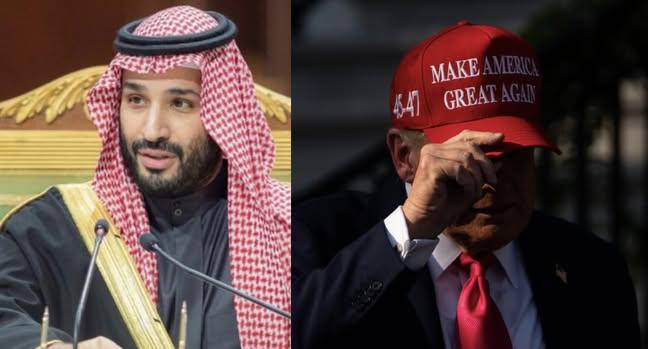
The ongoing tensions surrounding the Iran conflict are beginning to ripple through global economic relationships, with several key Gulf nations reportedly reconsidering their financial commitments to the United States. Countries such as Saudi Arabia, the United Arab Emirates, Kuwait, and Qatar are said to be reviewing existing contracts and future investment plans as economic pressure from the regional conflict continues to grow.
According to reports circulating among international financial and diplomatic circles, leaders in these Gulf states are evaluating whether the economic burden created by the Iran war could force them to adjust their foreign investment strategies. These countries have historically invested hundreds of billions of dollars into American infrastructure, technology, energy, and financial markets.
Much of the concern stems from the broader instability affecting the Middle East. Rising military expenditures, increased security demands, and volatile energy markets are placing new stress on national budgets across the Gulf. Officials are now weighing whether maintaining massive overseas investments—particularly in the United States—is sustainable under the current circumstances.
Financial analysts say any large-scale shift in Gulf investment strategy could have significant implications for global markets. Sovereign wealth funds from these nations are among the largest investors in the world, holding major stakes in American companies, real estate projects, and technology ventures. Even a partial slowdown in new investments could send signals through international financial markets.
At the same time, Gulf governments appear to be trying to balance their economic interests with strategic partnerships. The United States has long been a key security ally for these countries, providing defense cooperation, military support, and advanced weapons systems. This relationship makes any potential investment changes a sensitive geopolitical issue.
Some experts believe the current discussions are more about caution than confrontation. By reviewing their commitments, Gulf leaders may simply be preparing contingency plans should the conflict escalate or place greater strain on their domestic economies. Others argue that the move could be intended to push for stronger diplomatic solutions to reduce regional instability.

Myślał, że to żart… Ale to, co Kancelaria Premiera ujawniła po komentarzu Karola Nawrockiego o Donaldzie Tusku, zostawiło wszystkich w szoku

53 tomy akt! Jest ruch prokuratury w śledztwie dotyczącym Radosława Piesiewicza

JUST IN; Donald Trump Warns Americans Could Face Direct Retaliation on U.S. Soil as Tensions With Iran Escalate Following Coordinated U.S.-Israel Attack, Saying “Some People Will Die”

BREAKING: Trump Declares “No Deal With Iran Unless They Surrender Unconditionally” — Global Tensions Rise

BREAKING: $Trillions at Risk? Saudi Arabia, UAE, Kuwait and Qatar reportedly reviewing U.S. investments as Iran war rattles Gulf economies

Nowy sondaż przynosi zaskakujące wyniki dla partii politycznych. Która z nich odnotowała największy spadek poparcia? Dowiedz się więcej!

Peleryna robi wrażenie ➡️
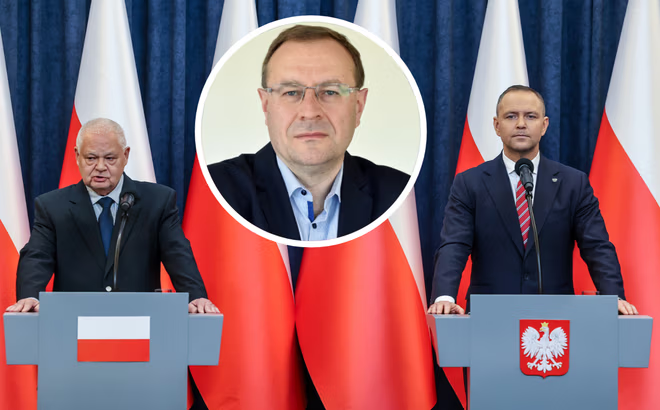
Prof. Dudek ujawnia kulisy współpracy Glapińskiego i Nawrockiego. Co kryje się za propozycją “SAFE 0 proc.” i jakie są jej polityczne implikacje?

Marta Nawrocka zaskakuje oryginalnym wyborem stroju na konferencji “Polka XXI”. Ekspertka mody podkreśla wyjątkowe detale stylizacji.

Lindsey Vonn zaskakuje fanów, pokazując efekty swojej intensywnej rehabilitacji po dramatycznym wypadku. Zobacz, jak wygląda jej codzienna walka.

JUST IN🇮🇷🇸🇦🇶🇦🇦🇪❌🇺🇸 GCC countries considered to withdraw their $6 trillion Direct Investment from America and possibly halts all $250b Defense deal with America amid Trump-failed to protect GCC sovereignty from Iranian missiles.
