
NEWS
🇺🇸 Trump’s Aggressive Agenda Reshapes U.S. Priorities — Is This the Leadership America Needs?

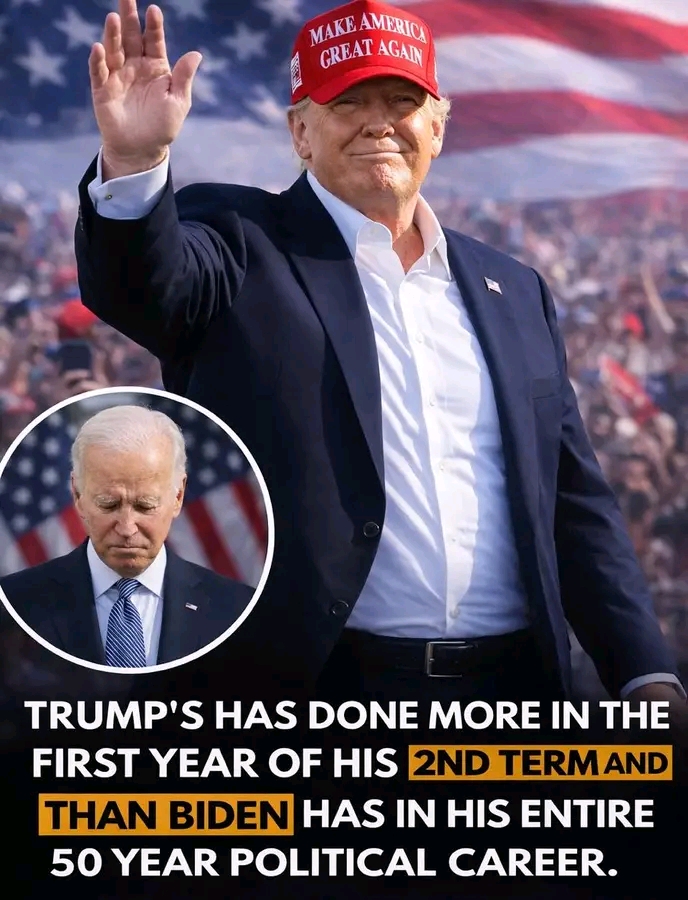
Donald Trump has promoted a policy agenda centered on significantly reshaping major pillars of U.S. governance and national priorities. A central focus of his administration has been strengthening border enforcement and intensifying efforts to reduce illegal immigration. This has included expanding security measures, tightening asylum procedures, and increasing coordination among federal and state authorities. In parallel, his policy platform has emphasized rolling back federal regulations that he and his supporters argue place burdens on businesses, while accelerating domestic energy production through expanded drilling, pipeline development, and reduced environmental permitting timelines. Backers contend that these initiatives are intended to reinforce economic resilience, enhance job creation, and bolster national security.
Supporters frequently point to several headline outcomes they credit to these policies. Among them are claims of negative net migration trends, reported GDP growth reaching 4.3%, and moves toward formally designating certain transnational drug cartels as terrorist organizations — a step framed as strengthening law enforcement tools and cross-border security efforts. The administration has also implemented tariff measures designed to shield key American industries from foreign competition, particularly in manufacturing and strategic sectors. Additionally, it has issued more than 200 executive orders aimed at curbing federal spending, restructuring regulatory frameworks, and accelerating policy implementation. On the international front, officials have engaged in diplomatic outreach and negotiations they describe as pragmatic efforts to reduce geopolitical tensions while advancing U.S. interests.
Advocates characterize this governing approach as decisive and outcome-oriented, arguing that measurable economic indicators and crime statistics demonstrate forward momentum. They describe the strategy as prioritizing swift action over prolonged negotiation, particularly in areas they see as urgent national concerns.
Critics, including former President Joe Biden and allied policymakers, offer a contrasting perspective. They argue that sustainable governance depends on coalition-building, institutional continuity, and bipartisan collaboration. From their viewpoint, extensive reliance on executive authority risks bypassing legislative deliberation and weakening long-term institutional stability. They caution that rapid policy shifts without broad consensus may generate uncertainty domestically and strain international relationships.
Together, these differing viewpoints underscore a broader national debate over leadership philosophy, economic policy direction, immigration strategy, and the United States’ role in global affairs — issues that are likely to remain central in political discourse moving forward.