
NEWS
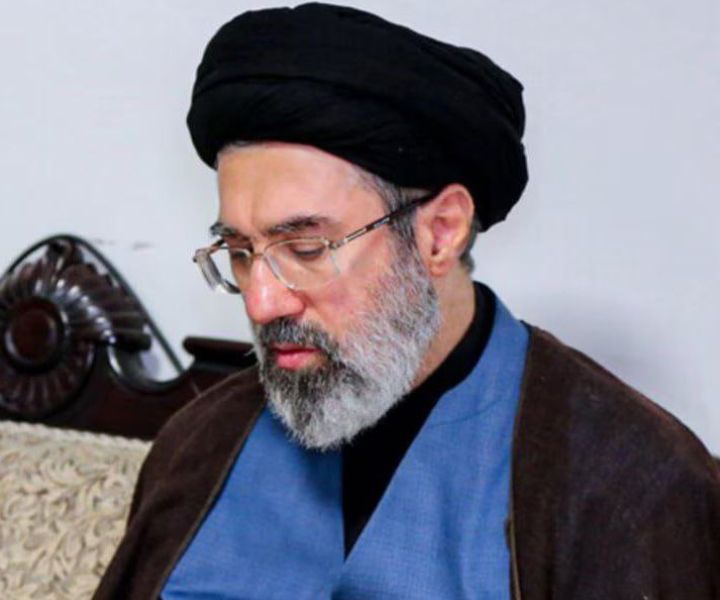
JUST IN: 🇮🇷 Iran says Mojtaba Khamenei, son of late Supreme Leader, is in perfect health and overseeing the regional war with the US & Israel.

The Middle East is experiencing an extraordinary and dangerous moment after a joint U.S.–Israel offensive struck Iran in late February 2026, hitting Tehran and key military sites. Iranian state media initially provided conflicting information about the fate of Supreme Leader Ayatollah Ali Khamenei, with some statements claiming he was alive and “steadfast.” However, Iran later confirmed that Khamenei was killed in the attack, a development that marks one of the most significant escalations in U.S.–Iranian relations in decades.
In the immediate aftermath, there were reports from Iranian officials insisting that leadership — including Khamenei — remained “safe and sound,” possibly as part of efforts to maintain morale and avoid panic amid ongoing conflict. Iranian Foreign Ministry spokesmen denied early claims about his death and described certain foreign reports as psychological warfare. However, that stance shifted when state media and government sources officially announced Khamenei’s death, triggering a national period of mourning and vows of retaliation.
Amid this chaos, the question of succession has come sharply into focus. Iran’s theocratic system requires the Assembly of Experts — a clerical body — to appoint the next Supreme Leader. Traditionally, this process is carried out quickly to project continuity, though it can become contentious during crises. Analysts note that Iran has only seen one such transition before, in 1989 after the death of Ayatollah Ruhollah.
The Business Standard
One figure often mentioned in discussions about Iran’s future leadership is Mojtaba Khamenei, the son of the late Supreme Leader. Prior to these events, some international analysis suggested he wielded influence through financial networks and connections with military factions like the Islamic Revolutionary Guard Corps, though he had never held formal government office. A direct hereditary succession — father to son — would be atypical and controversial within Iran’s clerical establishment.
As Iranian institutions move to fill the leadership vacuum, other senior clerics, such as Ayatollah Alireza Arafi, have been mentioned as potential interim authorities, reflecting internal negotiations among different power blocs. How the process unfolds will have significant implications for Iran’s domestic politics and its posture in the widening conflict with the United States, Israel, and their allies.
On the battlefield, the conflict continues to escalate. Iran has launched missile and drone attacks at Israeli and U.S. positions across the region, and global markets have reacted to instability in the Persian Gulf. World leaders are appealing for restraint even as the violence risks drawing in additional actors and exacerbating humanitarian concerns.